Enhancing Electric Vehicle (EV) User Experience through Widget Design
Client
Imagine we did not have to download an app to view your electrical car charging status, instaed you have a widget that you can continously see in real-time.
Services
Problem Statement: EV owners often face challenges in conveniently accessing real-time information about their vehicle's charge status. Current solutions primarily rely on mobile applications, which may require manual launching and navigation, leading to a disjointed user experience. Research: User Interviews: Conducted interviews with EV owners to understand their pain points and preferences regarding charge monitoring. Found that users value quick access to charge status information without the need for extensive app navigation. Competitive Analysis: Analyzed existing EV apps and widgets to identify strengths, weaknesses, and opportunities for improvement. Discovered a gap in the market for a dedicated widget solution focused on charge monitoring.
Industries
Automotive EV
Date
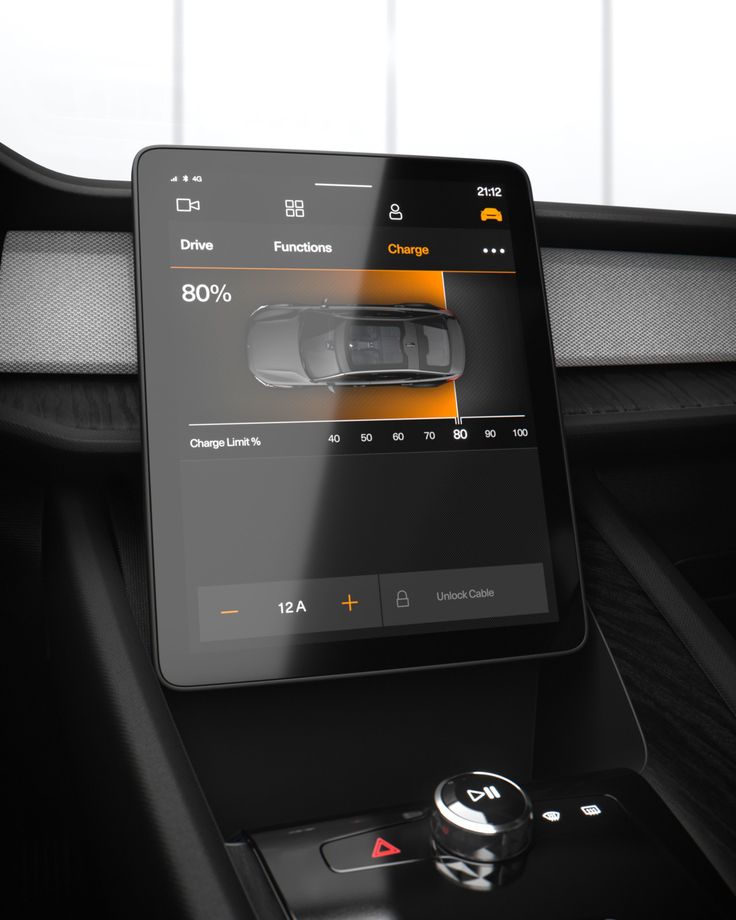
Key Features: Real-Time Updates: The widget provides instant updates on the vehicle's charge status, ensuring users have access to the most up-to-date information without the need to open a separate app. Customization Options: Users can customize the widget's appearance and display preferences to suit their preferences, such as choosing between different widget sizes and layouts. Quick Actions: The widget includes quick action buttons for initiating charging sessions remotely, accessing nearby charging stations, or setting charging reminders.
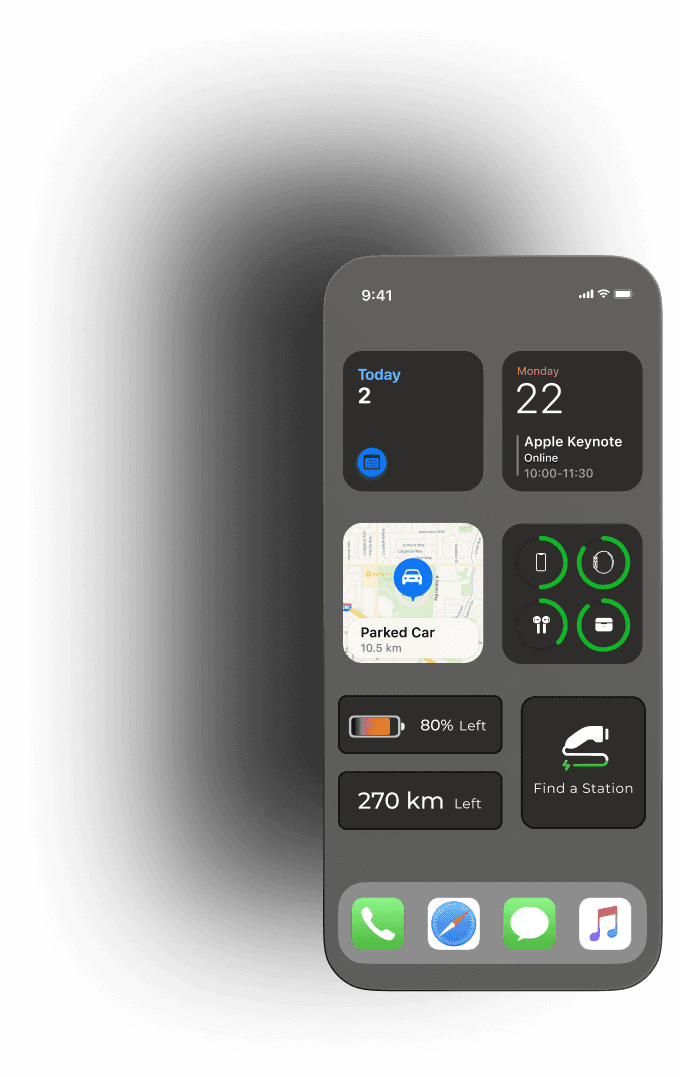
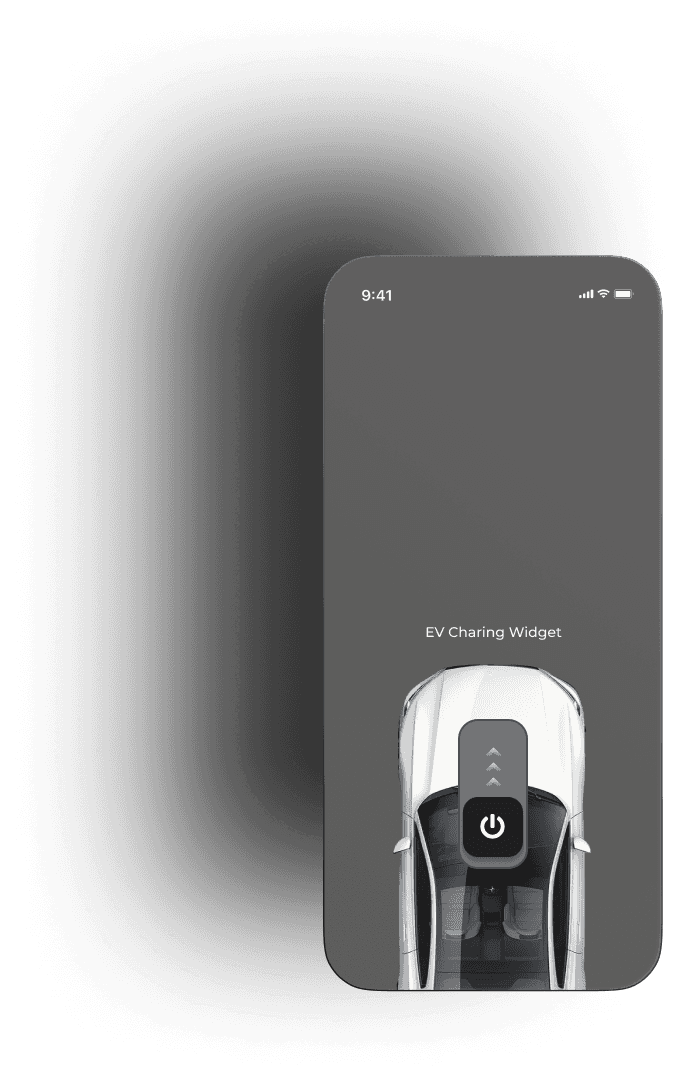
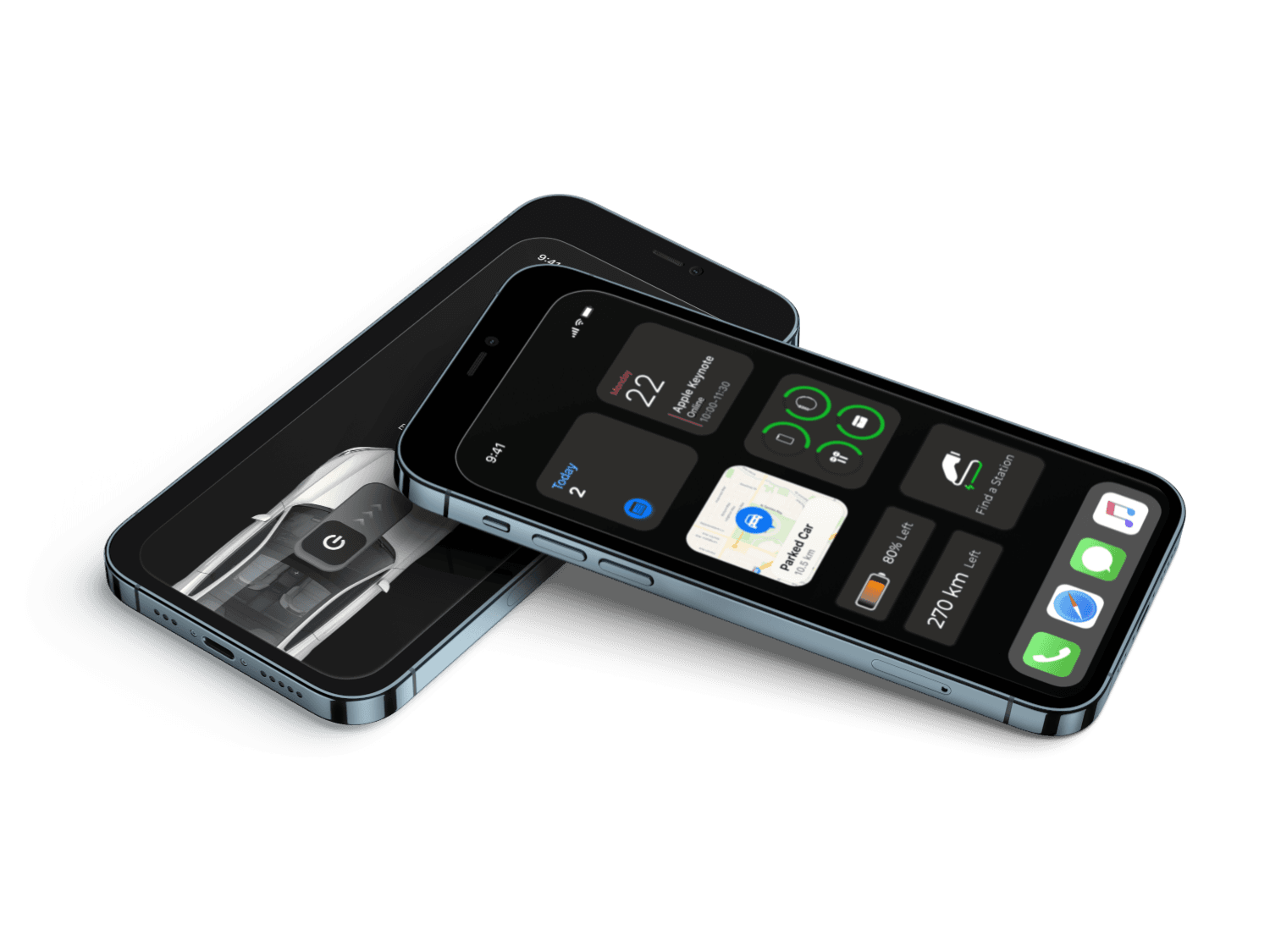
Why Widget view? Enhanced Accessibility: With the widget readily available on the home screen, users can conveniently monitor their EV's charge status with a single glance, minimizing friction and improving accessibility. Time Efficiency: By eliminating the need to launch a separate app, the widget streamlines the user experience, saving users time and effort in accessing essential charge information. Increased Engagement: The widget's presence on the home screen serves as a constant reminder of the user's EV ownership experience, fostering greater engagement and connection with the vehicle. Key Takeaways: The 2 minute rule is challenging however it helped me pin point how one can declutter and overcome creative blocks. If the project could pro long I would like to explore more of merging a scanning process whereby one can scan a code from their car and retrieve the information they need to view the status bar. I would have also liked to explore more on how clients could rather have a site they could register or log into and setup their profiles there which should be a once-off process; well intergrating it to the vehicle system aswell. Therefore, clients would not have to download an app for the process. I noted the cybersecurity dangers that may occur as all cookies on websites are often hacked into and sometimes being sold on the 'dark web'. Conclusion: Introducing a widget-based solution for EV charge monitoring offers a more effective and user-friendly alternative to traditional app-based interfaces. By prioritizing convenience, accessibility, and customization, the widget enhances the overall user experience for EV owners, ultimately contributing to greater satisfaction and loyalty.