FinTech In Spatial Design
Reimagine Payment Processes in Virtual Reality With Vision Pro
Reimagine Payment Processes in Virtual Reality With Vision Pro
Reimagine Payment Processes in Virtual Reality With Vision Pro
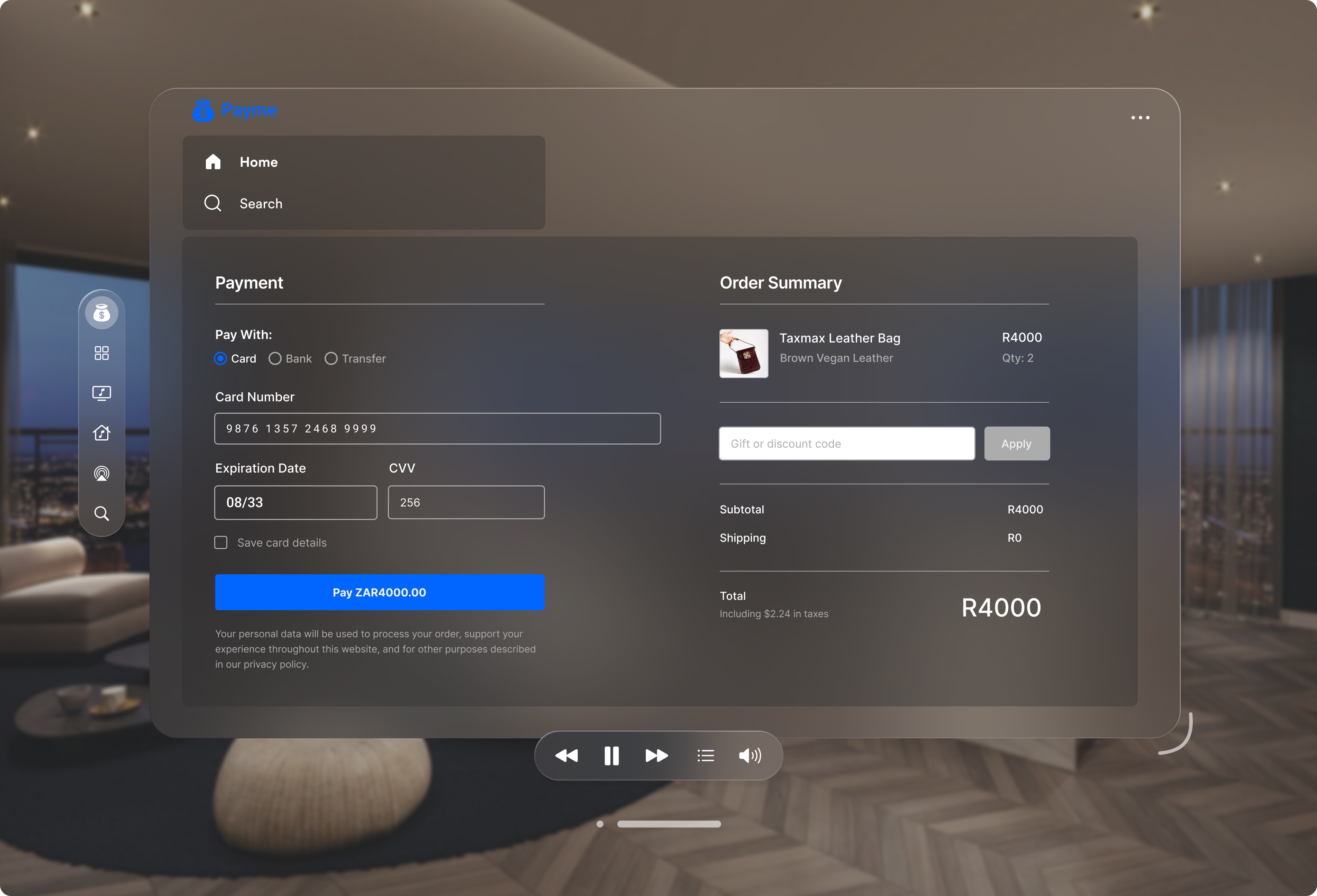
Technology is rapidly evolving, integrating Virtual Reality (VR) into everyday transactions presents an opportunity to reimagine the payment experience. This case study explores the design and implementation of a VR payment concept, enhancing convenience and immersion for users.
Problem Statement:
Traditional payment methods can be mundane and detached from the immersive experiences offered by VR environments. Users often face friction during transactions, leading to a disjointed experience. The challenge is to create a seamless and intuitive payment process within a VR setting.
Technology is rapidly evolving, integrating Virtual Reality (VR) into everyday transactions presents an opportunity to reimagine the payment experience. This case study explores the design and implementation of a VR payment concept, enhancing convenience and immersion for users.
Problem Statement:
Traditional payment methods can be mundane and detached from the immersive experiences offered by VR environments. Users often face friction during transactions, leading to a disjointed experience. The challenge is to create a seamless and intuitive payment process within a VR setting.
Technology is rapidly evolving, integrating Virtual Reality (VR) into everyday transactions presents an opportunity to reimagine the payment experience. This case study explores the design and implementation of a VR payment concept, enhancing convenience and immersion for users.
Problem Statement:
Traditional payment methods can be mundane and detached from the immersive experiences offered by VR environments. Users often face friction during transactions, leading to a disjointed experience. The challenge is to create a seamless and intuitive payment process within a VR setting.
Objective:
To design a VR payment concept that seamlessly integrates into immersive environments, providing users with a convenient, secure, and engaging payment experience.
Research and Discovery:
Doing a behaviour matrix instead of personas allows more room to engage with more people and get to fully understand their POV and how they engage with emerging technologies. I conducted my research with a different range in age and economical stance, which is where I learned that more people were more worried about their financial stance and others were more intrigued by what it does.
Key Features:
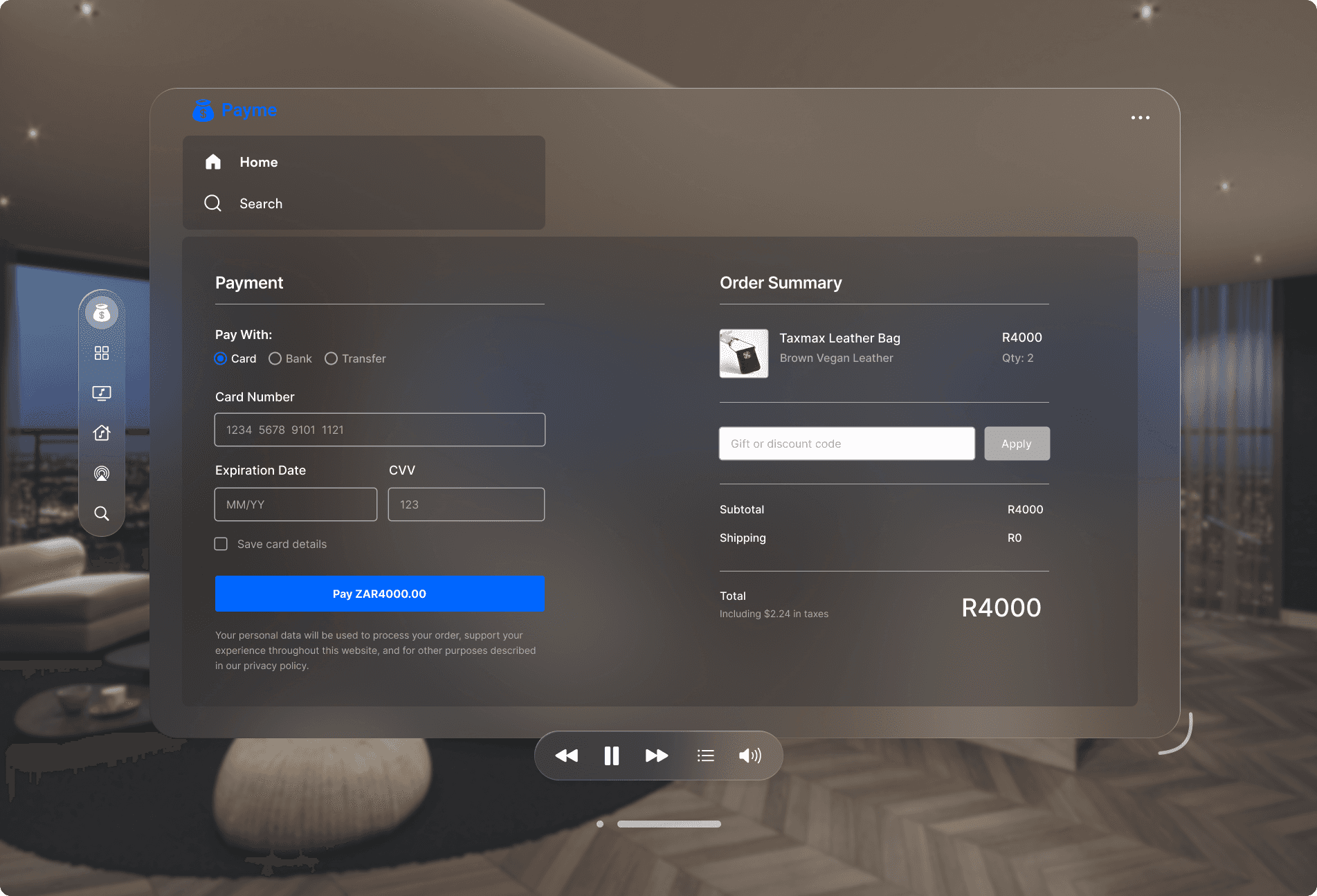
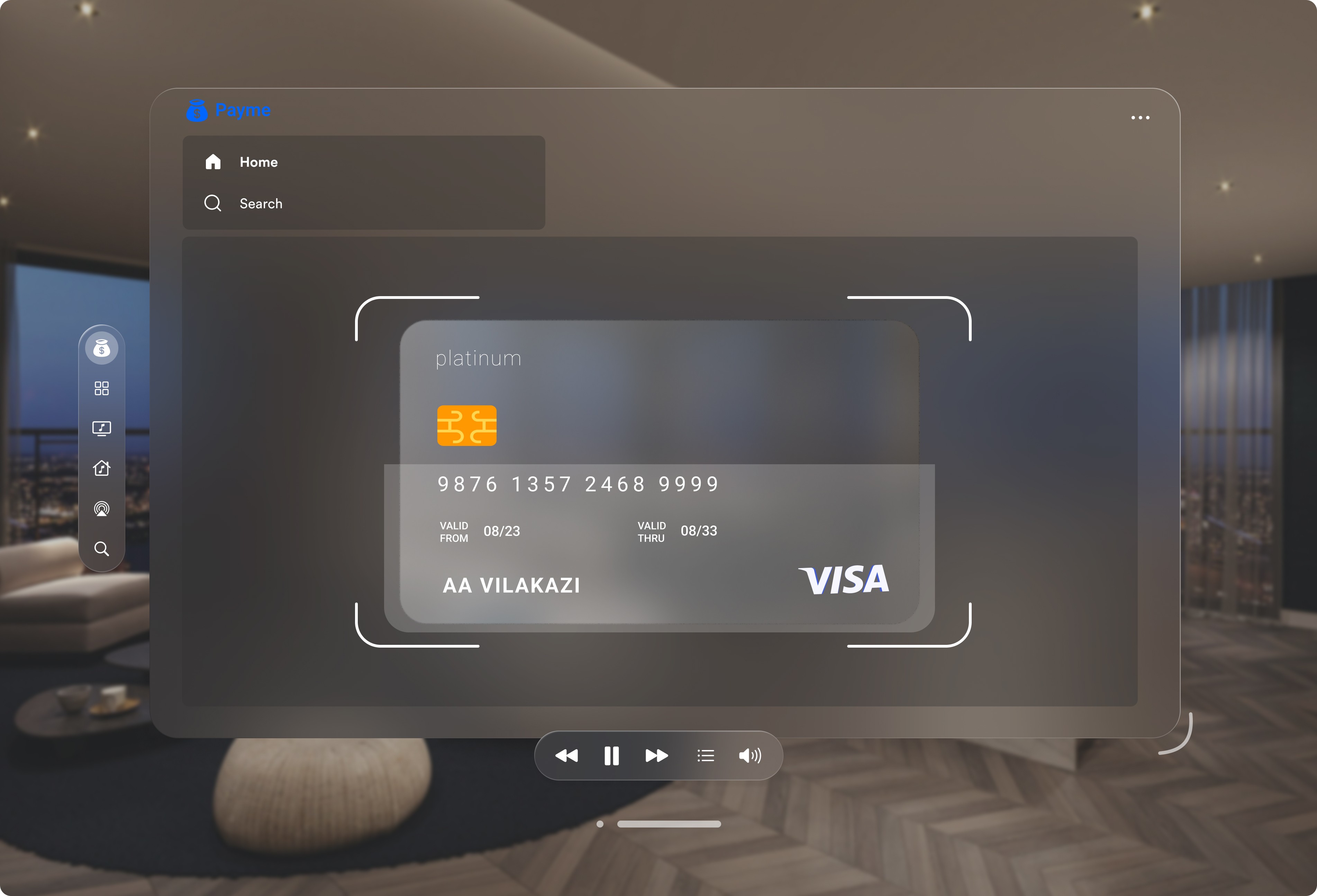
Immersive Payment Interface: Designed a visually engaging payment interface that integrates seamlessly with VR environments, offering users an immersive experience.
Gesture Recognition: Implemented gesture recognition technology to enable users to interact with the payment interface intuitively, minimizing the need for traditional controllers.
Customization Options: Provided users with customization options to personalize their payment experience, such as choosing preferred payment methods and visual themes.
Secure Authentication: Implemented biometric authentication and encryption protocols to ensure secure transactions and protect user privacy.
Real-Time Feedback: Incorporated real-time feedback mechanisms to provide users with instant confirmation of successful transactions, enhancing transparency and confidence.
Conclusion:
The VR payment concept represents a significant advancement in redefining the payment experience, offering users a seamless blend of convenience, security, and immersion. By leveraging spatial design principles and user-centered approaches, we have successfully created a transformative solution that paves the way for the future of payments in virtual environments.